

How SeaFeed™ works to combat climate change
Methane is naturally produced during the digestive process of ruminant livestock through a process known as enteric fermentation.
As a greenhouse gas, methane has a global warming potential approximately 28 times greater than CO2, making livestock production a significant contributor to global greenhouse gas emissions.
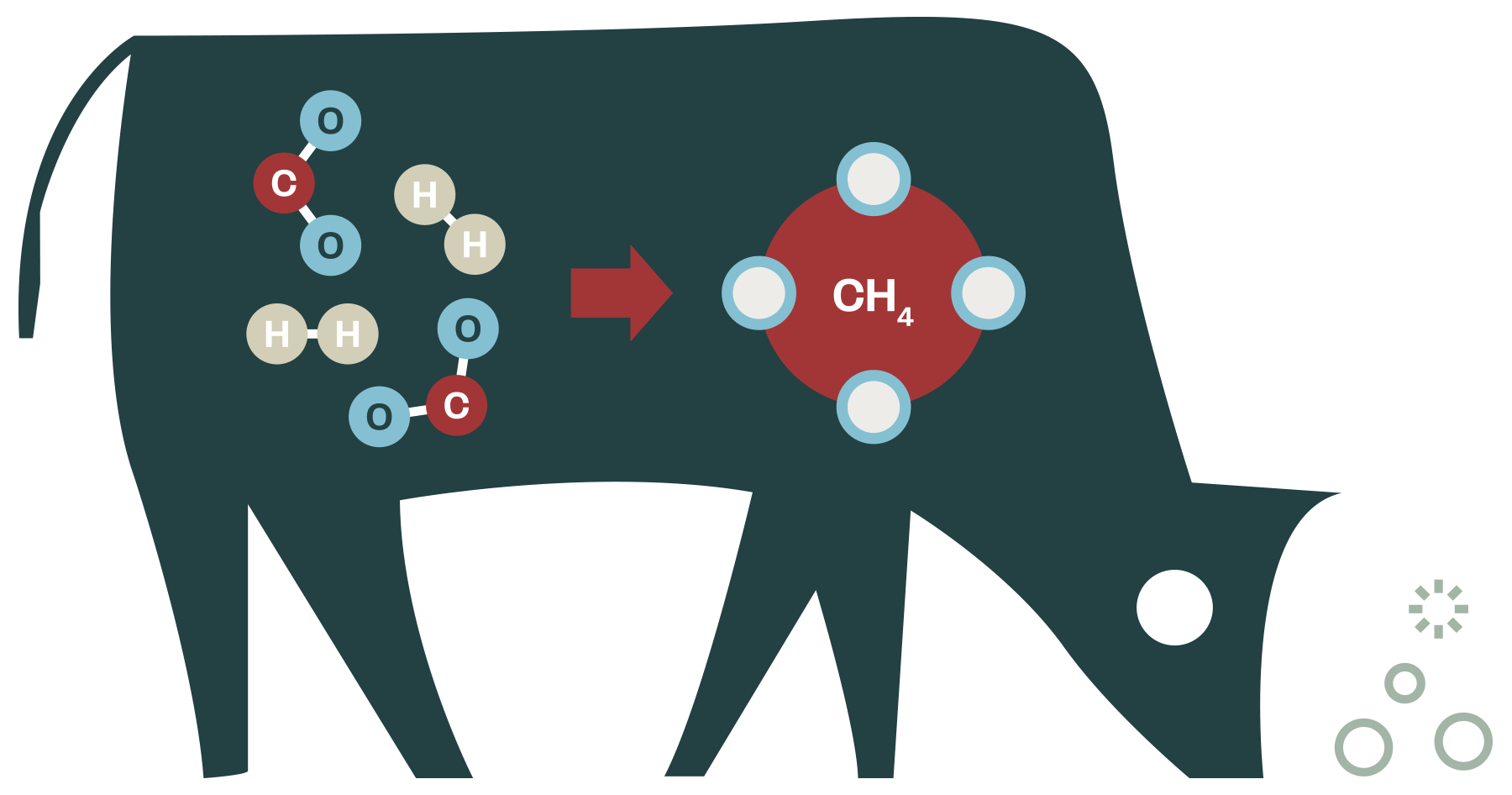
The SeaFeed™ product range is formulated with bioactive compounds that target methane production at its source.
These compounds work by inhibiting the final enzymatic pathway responsible for methane formation during digestion, significantly reducing the amount of methane released by the animal.
Research has shown that supplementing livestock diets with SeaFeed™ can reduce methane emissions by up to 80% and improve profitability, helping farmers supporting economic climate-positive agricultural practices.
